
 English
  Spanish
  French
  German
  Portuguese
  Arabic
  Chinese
  Hindi
Hindi  Russian
  Japanese
  Panjabi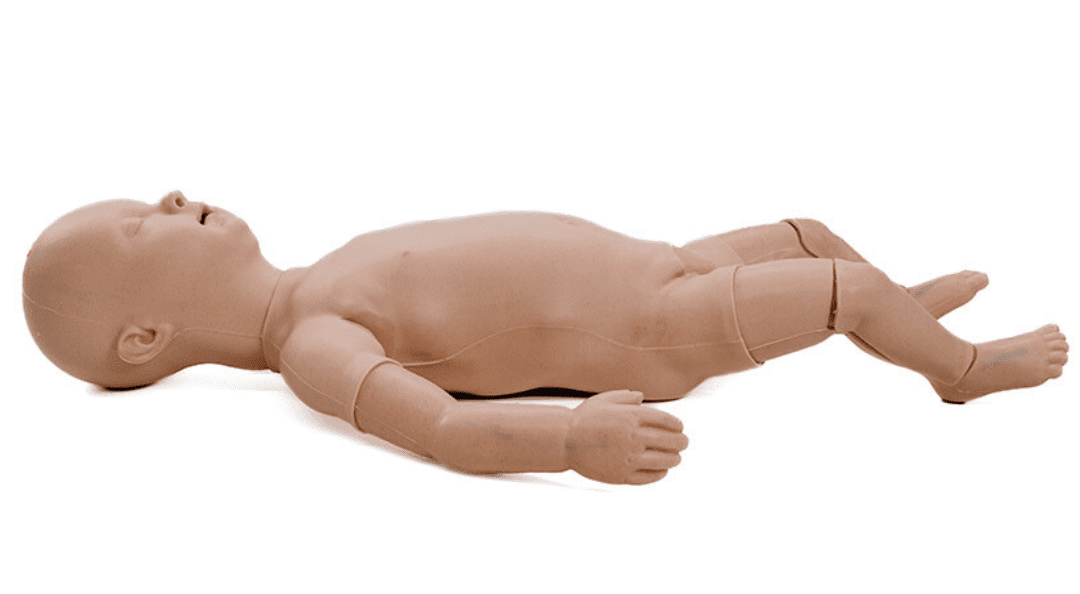
IV Cannulation Task Trainers
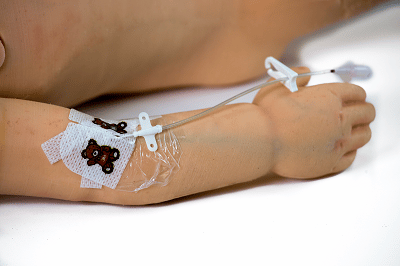
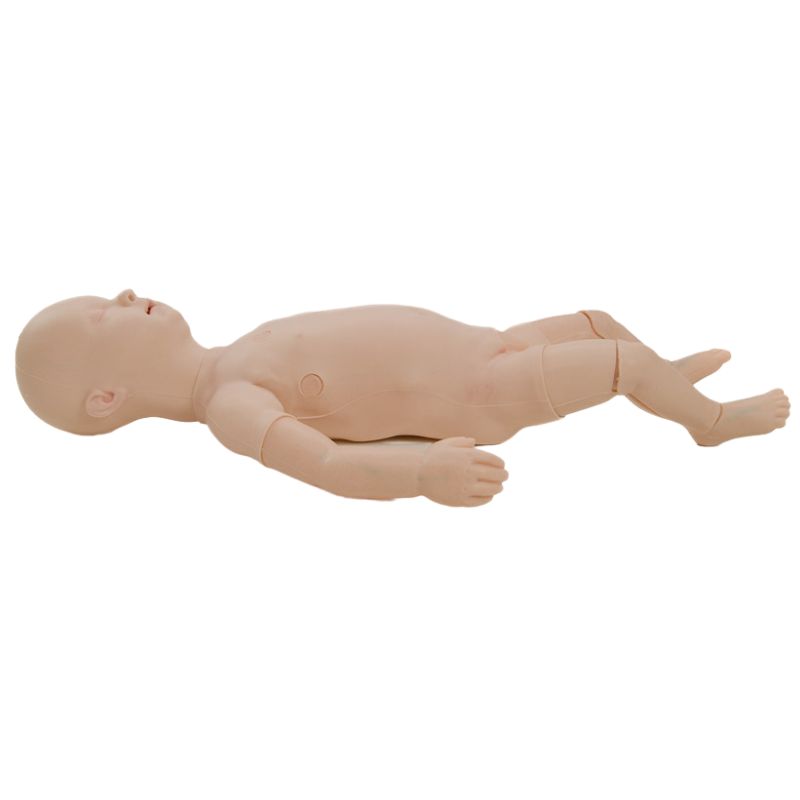
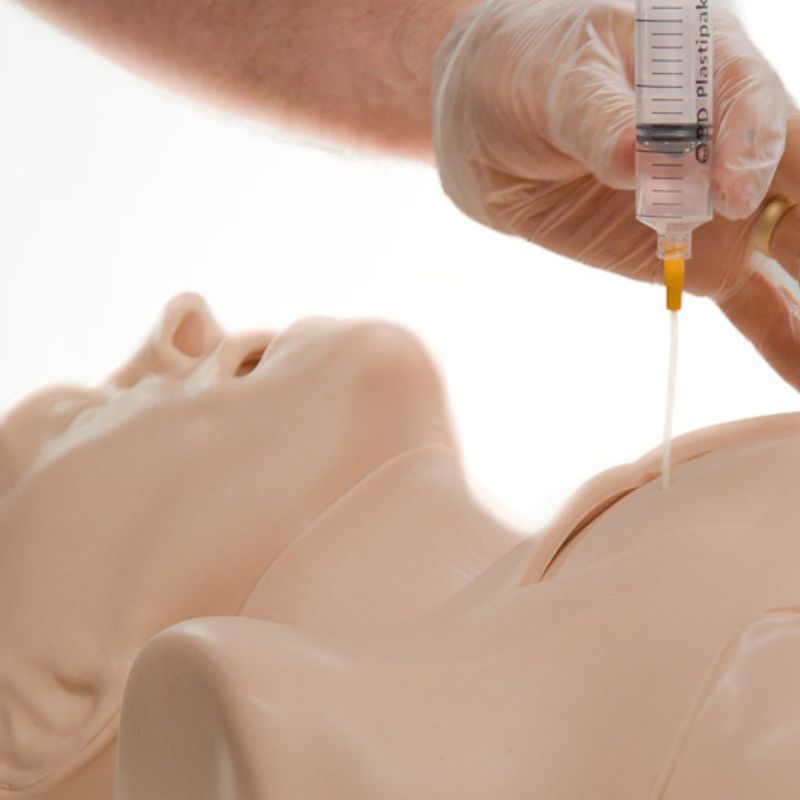
TruBaby X is durable, easy to set up, and facilitates lifelike IV cannulation practice.
TruCorp IV trainers are designed to be the most lifelike and durable manikins and task trainers available. Both the TruBaby X and TruNerve Block trainers are extremely lifelike with a self-contained and fully integrated fluid management system to replicate blood flow and flashback on entry into the blood vessel. Innovative TruUltra material is soft and responsive, replicating the feel and properties of human soft tissues.
ECONOMICAL VENIPUNCTURE PRACTICE
Our exclusive self-healing TruUltra material is designed to withstand repeated needle insertions in a busy classroom setting. Left overnight (24 hours) TruUltra regenerates up to 90%, giving the next day’s trainees fresh material without needle tracks. Replacement parts and consumable materials are quick and easy to interchange, facilitating efficient IV practice. Our unique design means NO LEAKS occur.
Both of these IV trainers also facilitate training in multiple medical procedures and arrive fully assembled and ready to use.
PEDIATRIC IV CANNULATION TRAINING
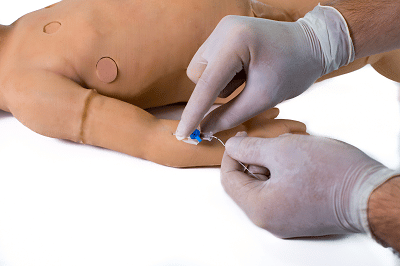
TruBaby X facilitates peripheral venous cannulation training at multiple IV sites. Accurate venous anatomy allows for true-to-life hands-on needle cannulation training.
A fully enclosed fluid management system gives realistic feedback and has adjustable flow (fluids can be withdrawn and administered). The durable materials permit 300+ needle punctures with no leaks (when using recommended gauge sizes).
Infant IV training: arm & hand
TruBaby X allows for effective practice of peripheral venous cannulation in the hand and arm featuring:
- Dorsal venous arch, cephalic and basilica veins
- Optional arm facilitates ultrasound-guided IV & PICC line insertion
Infant IV training: foot
Medical professionals benefit from realistic training in infant foot cannulation featuring:
- Dorsal venous arch, great and lesser saphenous veins
IV training in all locations on this model includes manual activation of venous blood flow (fluids can be withdrawn or administered with realistic flashback).
INFANT PICC LINE INSERTION TRAINING
The TruBaby X also facilitates PICC line training in infants including the complete PICC line procedure: guidewire insertion, dilation, and full cannulation.
- Peripherally inserted catheterization either through the basilic, brachial or cephalic veins
- Manual activation of venous blood flow allows fluids to be withdrawn and administered providing realistic blood flashback
- Speed of simulated blood can be changed between slow, medium or fast flow to increase difficulty
- Facilitates 300+ needle penetrations using a size 21g needle
- Optional arm allows ultrasound-guided PICC line insertion practice
ADULT PICC LINE INSERTION TRAINING
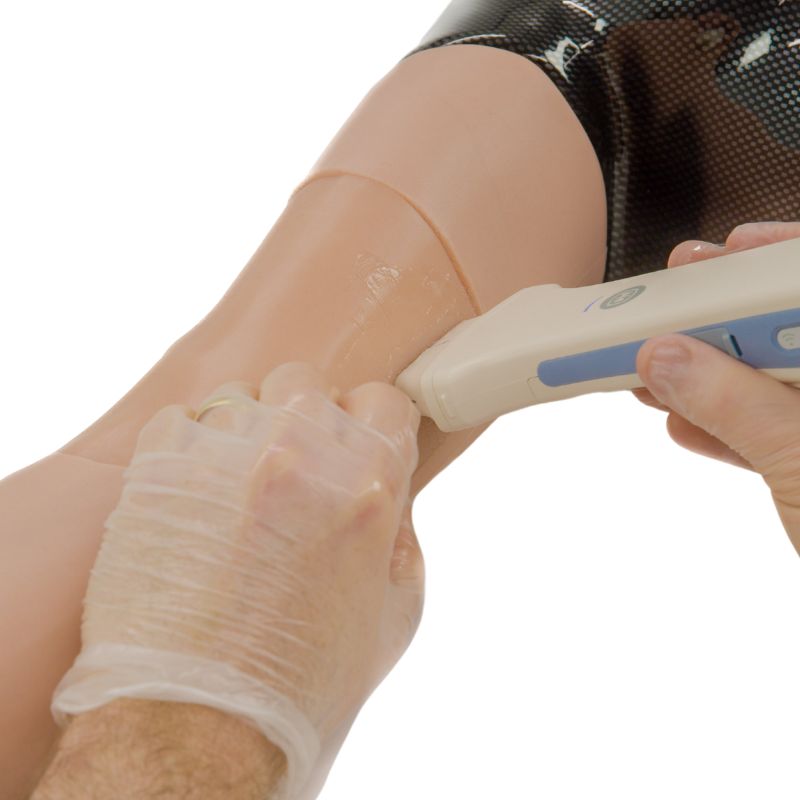
The TruPICC training arm facilitates both IV and PICC line insertion in adults. Trainees have the ability to use ultrasound on the upper chest which contains the superior vena cava designed to allow users to verify correct catheter placement.
TruPICC features:
- Realistic visualisation of the median cubital, brachial and basilic veins
- Differentiation between the basilic vein and the brachial artery
- Verify correct needle placement by the withdrawal of fluids
- Real feel vascular ‘tenting’ upon entry into the vessel
- Full catheter PICC line placement and Seldinger techniques can be practiced with a recommended 4F catheter
- Vascular anatomy of an entire arm including the brachial artery, brachial, cephalic basilic and median cubital vein
- Ability to use ultrasound on the upper chest which contains the superior vena cava designed to allow users to verify correct catheter placement
- Option to switch on/off flow to either the cephalic or basilic veins to prolong the life of the insert
- Fluid can be injected into the model to verify needle tip location. When vessels are accessed fluids can be withdrawn and administered
ULTRASOUND-GUIDED IV INSERTION TRAINING
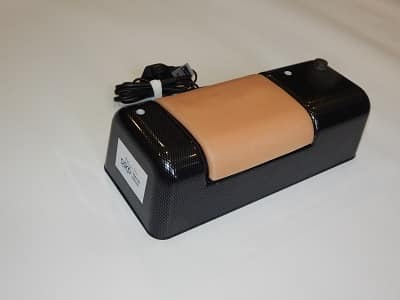
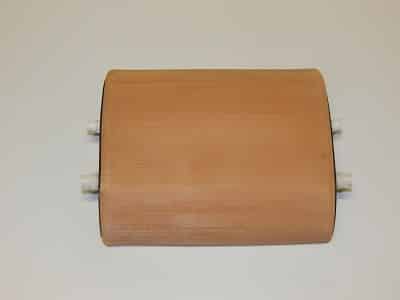
TruNerve Block is a versatile 3-in-1 ultrasound training block model and task trainer featuring anatomically correct vessels and nerves in soft, responsive tissue. Trainees can practice ultrasound-guided regional anaesthesia and vascular access procedures as well as routine IV cannulation.
Product features:
- Two embedded vessels, small/large and shallow/deep
- Self-healing TruUltra material with up to 90% self-regeneration in 24 hours
- Real-feel vascular ‘tenting’ upon entry into blood vessel
- Self-contained innovative fluid management system for ease of use and no mess
Once users accurately access the blood vessels within the model, positive blood flow provides feedback that the targeted vessel has been cannulated.
Infant IV arm for ultrasound-guided vascular access practice
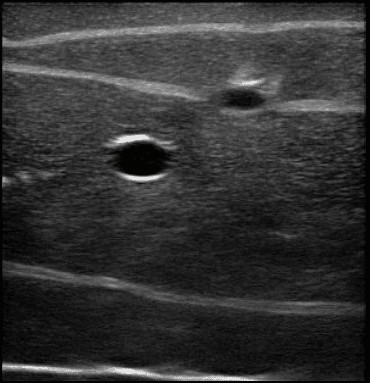
TruBaby X has an optional arm (left and right) to facilitate ultrasound-guided IV and PICC line insertion. It has realistic anatomy with two visible embedded vessels and vascular ‘tenting’ upon entry.
Mannequin arm for IV practice
TruPICC® is a versatile IV training arm.
TruPICC®® facilitates training in both PICC line insertion and IV cannulation. Our IV practice arm can be used to:
- Visualize the median cubital, brachial and basilic veins
- Differentiate between the basilic vein and artery
- Verify correct needle placement by withdrawal of fluid
- Experience tactile feedback of vascular ‘tenting’ on entry into vessel
When practicing PICC line placement, trainees can use ultrasound on the upper chest area to verify correct catheter placement. Get a free virtual demo of our PICC & IV simulation arm by reaching out today.
WHAT IS IV CANNULATION?
Intravenous cannulation is when a cannula (a small, thin plastic tube) is placed in a vein to allow for blood drawing or administration of fluids including medication.
IV INSERTION TECHNIQUES
Intravenous insertion is an essential skill that requires practice and confidence to perform successfully. Our professional-grade IV trainers have been developed to provide an advanced medical training experience to improve patient safety and treatment.
IV insertion techniques that can be practiced using TruCorp trainers include:
- Infection control measures
- Visual and palpable vein assessment
- Appropriate cannula gauge selection
- Tourniquet placement
- Needle insertion and venipuncture
- IV catheterization & advancement
- Securing/taping IV tubing
- Starting an intraosseous line
- Evaluating IV placement for infiltration
- Administering or removing fluids
In addition to IV insertion, our training manikins facilitate practice in a wide range of critical skills including airway management, CPR, chest tube insertion and more.
VASCULAR ACCESS
Vascular access procedures involve inserting a catheter (a flexible thin plastic tube) into a blood vessel to draw blood or introduce medication directly into the bloodstream over a period of time ranging from weeks to years. A central venous catheter stays in place allowing repeated access without the need for repeated skin punctures.
Examples of treatments requiring vascular access include chemotherapy, IV nutrition, blood transfusions, hemodialysis and more. A PICC line (peripherally inserted central catheter) is an example of a vascular access catheter that can stay in place for weeks or months.
Practicing vascular access procedures
Ultrasound guidance is frequently used to identify a suitable vein for vascular access. Both the TruBaby X® X and TruNerve block® facilitate training in ultrasound-guided vascular access.
TruBaby X® X vascular access features:
- Optional arm facilitates ultrasound-guided IV and PICC line insertion
- Realistic anatomy illustrating two visible embedded vessels
- Real feel vascular ‘tenting’ upon entry into the vessel
- Facilitates 100+ needle penetrations using a size 21g needle with self-healing/regeneration of the TruUltra material
TruNerve block® vascular access features:
- Two embedded vessels for ultrasound-guided IV cannulation: small/large and shallow/deep
- Realistic flashback upon entry into blood vessel
- Real-feel vascular ‘tenting’ upon entry into vessel
- Colour Doppler detection of blood flow
Repeated hands-on training over time is required to gain proficiency in ultrasound-guided central and peripheral line techniques. TruCorp vascular access training models are ideal for medical education facilities, radiology, nurses, physicians, emergency medicine, simulation centers and ultrasound education.
IV TRAINING FOR NURSES & OTHER MEDICAL PROFESSIONALS
TruCorp IV trainers are ideal for emergency medicine, radiology, surgical training programs, nursing training programs, simulation centers and many other organizations. Our products are also used by medical device manufacturers to demonstrate and sell their products.
TruIV Block is ideal for ultrasound-guided IV insertion training for nurses because the self-healing TruUltra material withstands hundreds of needle sticks before needing replacement.
TruNerve block® is an efficient task trainer for trainee anesthetists to develop, practice and maintain the skills necessary to use ultrasound for guiding regional anesthesia and vascular access procedures.
TruBaby X® X is a complete pediatric clinical skills training manikin ideal for nurses, anesthetists, EMTs & paramedics, medical assistants and other healthcare industry professionals.
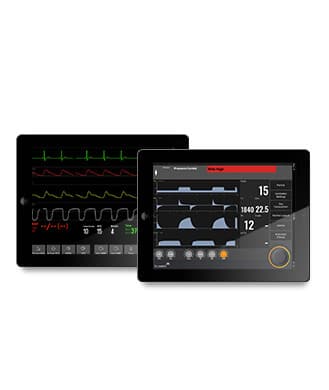
Our TruMonitor® patient monitor simulator app can be used alongside our other products to integrate clinical decision-making with medical technique training.